A strong electric piano patch has to do two things at once: it needs to sit in a mix quickly, and it needs to sound like a player chose it for a reason. LABS Vintage Keys is interesting because it gets that balance right without asking for a lot of setup or menu diving. In practice, this is a focused Rhodes-style instrument that is useful for songwriting, production sketches, and polished parts that still feel alive.
What matters here is not just the sound itself, but how easily it gets you to a usable result. In the current setup, the old LABS catalog now lives inside Splice INSTRUMENT, so the real question is whether this vintage keyboard pack still earns a place in a modern template.
What matters most is that it is fast, free, and focused
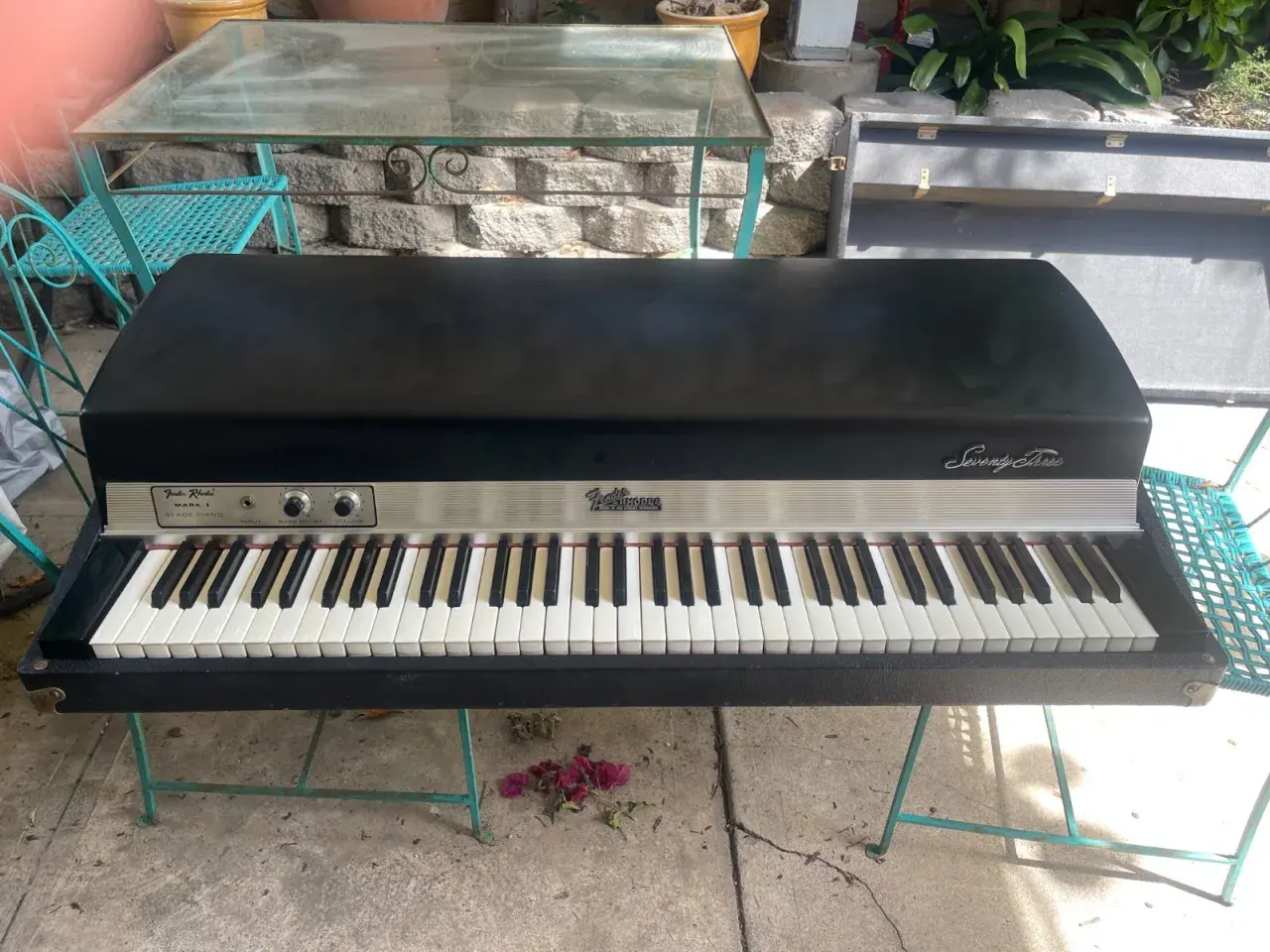
- It is built around a rare Fender Rhodes Model Seventy Three, so the core tone is electric-piano first, not a generic keyboard catch-all.
- The pack stays compact with four presets, which makes it quick to audition and easy to trust.
- Splice INSTRUMENT is the current home for the LABS catalog, and Splice lists it in AU, VST3, and AAX formats.
- The sound range runs from mellow and soulful to raspy and overdriven, which covers most modern “vintage keys” needs.
- It is strongest for writing, arranging, and light shaping, not for deep sound design or obsessive emulation work.
- If you need a broader or more tweakable Rhodes library, a paid option will go further, but this one is often enough to move a track forward.
What this pack actually is
The best way to understand Vintage Keys is to treat it as a curated Rhodes instrument, not a huge keyboard workstation. It is sampled from a rare Fender Rhodes Model Seventy Three, and the pack is intentionally small: four presets, a clear tonal identity, and very little friction between opening the plugin and hearing something musical.
That design choice makes sense. I do not need every vintage-keyboard flavor at once when I am trying to build a chord progression or sketch an intro. I need a sound with enough personality to suggest the song. In 2026, the practical detail is that the LABS catalog now sits inside Splice INSTRUMENT, which gives the instrument a cleaner browser, individual preset access, and a more modern workflow than the older standalone setup.
That focus is what makes the sound matter, and that is where the pack either earns its keep or gets ignored.
What it sounds like in a real arrangement
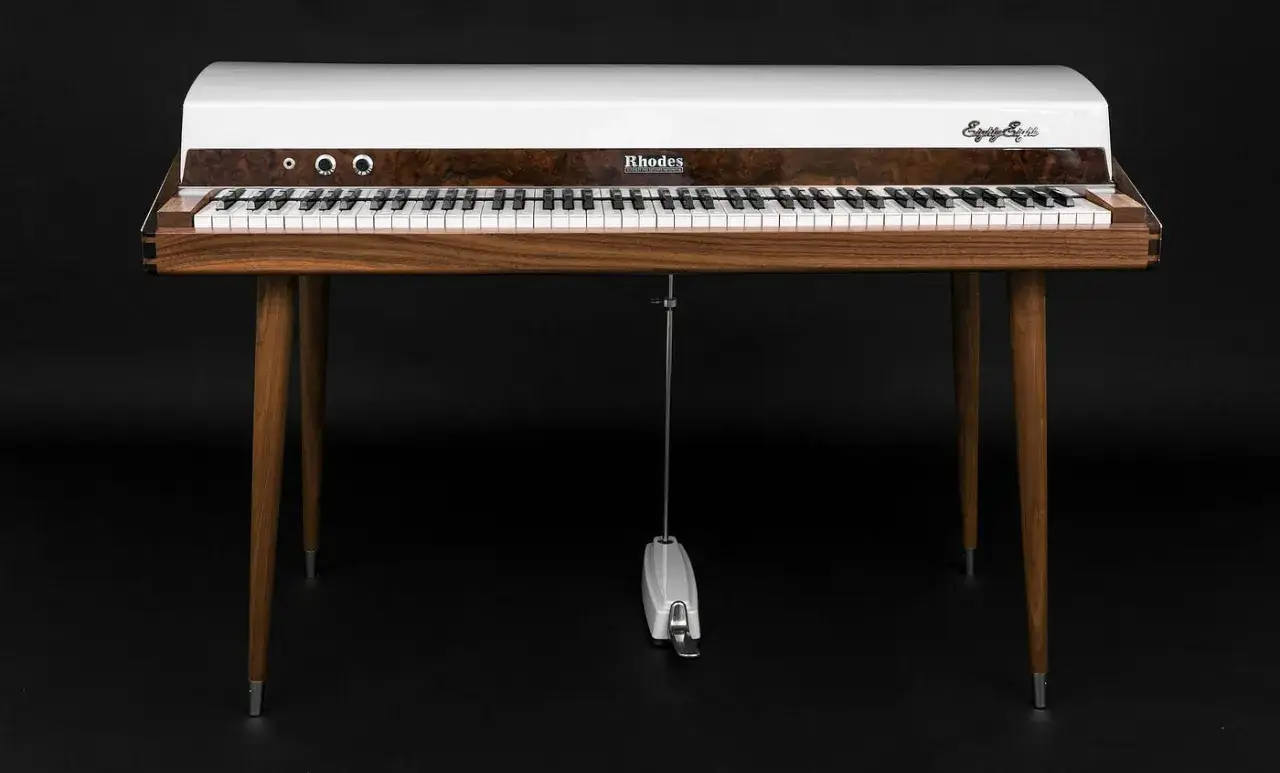
Splice describes the pack as warm, gritty, and spirited, and that is the right starting point. I would not hear it as a pristine studio Rhodes first. I hear it as a keyboard with some edge, enough softness for verse work, and enough bite to survive a denser arrangement.
The four presets are useful because they cover the practical spread most producers actually need: something mellow for comping, something more exposed for hooks, something rougher for texture, and something cabinet-colored when the part should feel lived-in rather than glossy. The naming also signals the intended range, from The Seventy Three as the anchor tone to more character-forward options like Nothing But Cabinet.
- Soul and R&B: It sits naturally under vocal lines and does not fight the lead unless you push it too bright.
- Indie pop and singer-songwriter work: It gives you a believable keyboard bed without sounding overproduced.
- Lo-fi and beat-driven tracks: The grittier tones help the part feel sampled or slightly worn in a good way.
- Cinematic cues: Used sparingly, it can add emotional weight without pulling attention away from the scene.
What I like most is that it does not demand a genre decision from you. It can be nostalgic, intimate, or slightly dirty depending on the part and the mix, and that makes it more useful than a lot of “retro” instruments that look bigger on paper than they sound in context. Once you know where it wants to live, the mix moves become much more obvious.
How I would shape it in a mix
The first control I would touch is the Dynamics slider, because it changes how the sample layers respond without making the part feel overprocessed. Splice’s own interface also leans on parameter control, which is exactly what this kind of instrument needs: a few meaningful adjustments, not endless browsing.
| Common problem | My first move | Why it helps |
|---|---|---|
| Too clean | Add gentle saturation or tape-style color | Brings back the grain that makes vintage keys feel musical |
| Too bright | Roll off some top end or pick a softer preset | Keeps the patch from sounding glassy or brittle in a full mix |
| Too muddy | Trim the low mids before reaching for more effects | Clears space for bass and vocal fundamentals |
| Too static | Automate the part, layer a subtle room reverb, or vary velocity | Adds motion without changing the identity of the sound |
My usual chain would be simple: EQ first, then light compression if the performance is uneven, then a little saturation, then a short reverb if the part needs air. If I want that late-night, slightly worn character, a chorus or tremolo layer can help, but I would keep both subtle. The point is not to disguise the instrument. The point is to make it feel like it already belongs in the song. From there, it is worth comparing it with the tools people already have on hand.
How it compares with other keyboard options
For a lot of producers, the real decision is not whether this pack sounds good. It is whether it is better than the easier options already sitting in the DAW. That is where Vintage Keys becomes more compelling than a generic stock electric piano, but less deep than a dedicated premium Rhodes library.
| Option | Best for | Main tradeoff |
|---|---|---|
| Vintage Keys | Fast writing, free access, a focused vintage tone | Only four presets and limited deep editing |
| Built-in DAW electric piano | Instant convenience and zero extra install | Often less character and less believable movement |
| Paid Rhodes-style library | More realism, more control, more mic or detail options | Costs more and usually takes longer to set up well |
| Dedicated Wurlitzer-style library | That sharper bark and midrange bite | Different flavor, so it will not replace a Rhodes voice |
Splice’s broader platform matters here too. The company now positions INSTRUMENT as a free-to-start environment with regular drops, while deeper access sits behind subscription tiers. That means Vintage Keys is best read as part of a larger ecosystem, not an isolated one-off pack. If you want a quick Rhodes color, it is efficient. If you want a whole keyboard palette, you are really choosing the platform.
The limits that matter before you rely on it
The biggest limitation is also the reason many producers will like it: it is intentionally narrow. Four presets is enough for speed, but not enough if you want to sculpt every layer of an electric piano performance from the ground up.
- You do not get the depth of a flagship sampled Rhodes with multiple mic positions and elaborate controls.
- You are not buying a broad keyboard suite, so this will not replace a full piano-and-keys toolkit.
- If your arrangement needs highly specific pedal noise, advanced velocity mapping, or extreme tweakability, a premium library will be a better fit.
- If you leave it too dry and too static, it can feel more like a preset than an instrument.
I would frame that as a creative tradeoff, not a weakness. The pack works because it limits choice enough to keep you moving. The problem only appears when someone expects a compact writing tool to behave like a flagship emulation. It is not trying to be that, and that restraint is part of why it stays useful.
Why it still earns a place in a modern template
What keeps this kind of instrument relevant is simple: it solves the first 80 percent of the job. It gives you a convincing electric piano sound in seconds, which is often the difference between finishing a part and endlessly auditioning alternatives.
I would keep Vintage Keys around for songs that need warmth, nostalgia, a little grit, or a human-feeling chord bed that does not dominate the mix. I would not reach for it when the keyboard needs to be the star of the record and every nuance matters. That is where a deeper Rhodes or Wurli library makes more sense.
For most producers, though, this pack does exactly what a good vintage-keyboard instrument should do: it removes friction, sounds musical immediately, and leaves more of your attention for the song itself. If that is the goal, it is an easy one to justify keeping in rotation.